
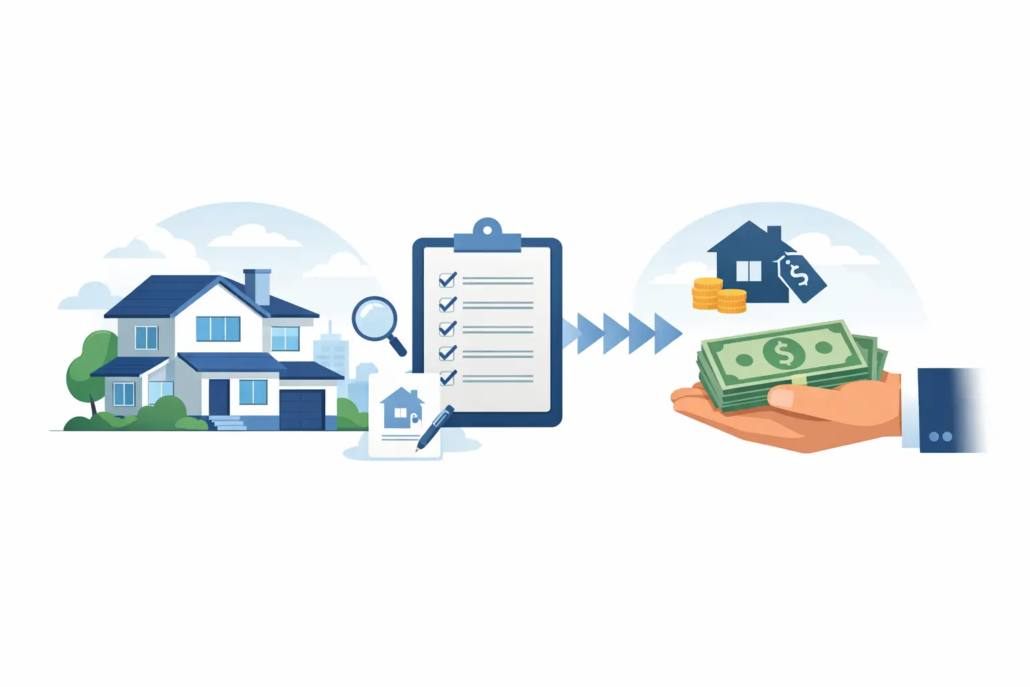
7 Steps to Get Cash Offer for Your House
If you need to sell a house fast in New York, knowing the right steps to get cash offer can save you weeks of stress and a lot of wasted time. The process is usually much simpler than listing with an agent, but not every cash buyer works the same way. When speed matters because of foreclosure, probate, divorce, repairs, tenants, or inherited property, it helps to know what to expect before you start.
Why homeowners look for cash buyers
Most sellers who want a cash offer are not chasing a perfect sale. They want a dependable one. They want to stop the late payments, avoid pouring money into repairs, and move forward without open houses, buyer financing delays, or commission costs eating into the final number.
That matters even more in places like Long Island, Queens, Brooklyn, the Bronx, Jamaica, and Nassau County, where the traditional market can feel slow, unpredictable, and expensive. A financed buyer may love your house today and back out tomorrow after an inspection or mortgage issue. A real cash sale is different because it is built around speed and certainty.
The real steps to get cash offer on your house
A lot of companies advertise a quick process, but the basic path should still be clear and transparent. Here is how it usually works when you are dealing with a direct home buyer.
Step 1: Share the basic property information
The first step is simple. You reach out and provide the address, property type, and a quick overview of the condition. You may also be asked about the number of bedrooms and bathrooms, whether the house is vacant or occupied, and if there are any major problems like roof damage, water issues, code violations, or unpaid taxes.
This is not about making your property sound perfect. In fact, the more honest you are, the more accurate the offer can be. If the house needs work, say so. If there are tenants, say so. If you are behind on payments or dealing with an estate sale, bring that up early. A serious buyer wants the real picture, not a polished version.
Step 2: Explain your timeline and situation
This part is just as important as the property details. A house sale is not only about square footage and condition. Timing matters. If you need to close in seven days, that changes the conversation. If you need a few extra weeks to move out or sort through probate paperwork, that matters too.
Good cash buyers are not just pricing the house. They are figuring out whether they can solve the problem that brought you to them in the first place. Some sellers need speed. Others need flexibility. Others need both. The clearer you are about your situation, the easier it is to structure a deal that actually works.
Step 3: Schedule a quick property review
In many cases, the buyer will want to see the property before making a final cash offer. This is usually much easier than preparing for a traditional showing. You do not need to stage the house, repaint rooms, or make repairs just to impress someone.
The visit is typically focused on the home’s current condition, layout, and any major updates or problem areas. If the house has fire damage, mold, old plumbing, foundation cracks, or deferred maintenance, the buyer needs to account for that. If the property is in better shape than expected, that can help too.
A straightforward local buyer should keep this step quick and low pressure. The point is to confirm what the property needs, not to create another obstacle for you.
What affects your cash offer amount
Many homeowners ask the same question right away: how is the offer calculated? The answer depends on several factors, and it is better to hear a realistic answer than an inflated promise.
Condition is a big one. A house that needs major repairs will usually receive a lower offer than one that is move-in ready. Location also matters, especially across different parts of New York where values and demand can change block by block. The size of the home, recent comparable sales, title issues, liens, occupancy status, and how quickly you want to close can all play a role.
This is where trade-offs come in. A cash sale usually gives you speed, convenience, and fewer out-of-pocket costs. A traditional listing might bring a higher top-line price in some situations, but it can also involve repairs, agent commissions, closing costs, carrying costs, inspection requests, and weeks or months of uncertainty. For many sellers, the best deal is not the highest number on paper. It is the one that gets done without creating more problems.
Steps to get cash offer without delays
If your goal is to move quickly, a few simple choices can keep the process on track.
First, have your basic information ready. That includes the property address, your contact information, and any major details about the home’s condition. If you know there are open permits, tax issues, mortgage arrears, or probate concerns, mention them upfront.
Second, be clear about who is on title. If multiple family members need to sign, or if the property is part of an estate, that can affect timing. It does not always stop the sale, but it should be addressed early.
Third, avoid waiting to “fix a few things first” unless those repairs are truly minor and guaranteed to raise the value more than they cost. Most homeowners who seek cash buyers do so because they want to sell as-is. Spending time and money on partial repairs often delays the sale without changing the outcome much.
Step 4: Review the offer carefully
Once the buyer has enough information, you should receive a cash offer. This is the moment to slow down just enough to make sure the numbers and terms are clear.
Look at more than just the purchase price. Ask whether there are commissions, service fees, closing costs, or repair credits. Ask how quickly they can close and whether the timeline is flexible. If they say they buy as-is, confirm that they are not planning to renegotiate later over normal property issues.
A fair offer should be simple to understand. If the process feels vague or full of surprise charges, that is a warning sign.
Step 5: Sign the agreement and open the title process
If the offer works for you, the next step is signing the purchase agreement. After that, title work begins. This is where the closing process checks for ownership issues, liens, judgments, unpaid taxes, and other items that need to be resolved before the sale is completed.
This step sounds technical, but a professional buyer should guide you through it. In many direct sales, the company also covers standard closing costs, which helps reduce out-of-pocket expenses and keeps the process cleaner for the seller.
Step 6: Choose your closing date
One of the biggest advantages of a cash sale is flexibility. If you need to close fast, that may be possible in as little as a week. If you need more time to empty the house or coordinate a move, the closing can often be scheduled around your timeline.
That flexibility matters for real-life situations. Someone facing foreclosure may need the fastest possible date. Someone handling an inherited house may need extra time to sort belongings. Someone going through divorce may want a clean, predictable schedule. A good cash buyer understands that every sale has a story behind it.
Step 7: Close and get paid
At closing, you sign the final paperwork and receive your funds. Because there is no mortgage lender in the middle, there are usually fewer moving parts than a traditional sale. That is a big reason sellers choose this route when they need certainty.
For many homeowners, this is the point where the pressure finally lifts. The house is sold, the bills stop, and the next chapter can begin.
When a cash offer makes the most sense
A cash sale is not the right fit for every property or every seller. If your house is updated, you have time, and you want to test the retail market, listing may make sense. But if the property needs work, the timeline is tight, or the situation is stressful, a direct sale often becomes the more practical option.
This is especially true for inherited homes, properties with damage, vacant houses, rentals with problem tenants, and homes tied to financial hardship. In those cases, convenience is not a luxury. It is part of the solution.
Companies like Nationwide Homes 4 Sale are built around that kind of sale. The goal is not to make you wait, clean, repair, or hope a financed buyer sticks around. It is to give you a fair and honest cash offer, buy the property as-is, and close on a timeline that works for you.
If you are weighing your options, focus on clarity. The right buyer should make the process feel easier from the first conversation, not more complicated.


Leave a Reply
Want to join the discussion?Feel free to contribute!