
How to Sell House Fast New York

How to Sell House Fast New York

If you need to sell house fast New York, the usual advice about staging, repairs, open houses, and waiting for the right buyer probably does not help much. When mortgage payments are piling up, a property is tied up in probate, or a damaged house keeps getting worse, speed matters more than squeezing out a perfect retail price months from now.

That is where the real choice begins. You can list the property the traditional way and hope the timing works in your favor, or you can sell directly to a cash buyer and trade some upside for speed, convenience, and certainty. For many New York homeowners, that second path is what brings real relief.

Why homeowners need to sell house fast in New York

Fast home sales usually happen because life changed before the real estate timeline could keep up. In New York, that often means foreclosure pressure, divorce, job relocation, inherited property, tenant issues, tax problems, or a house that needs more work than the owner can afford.

A traditional sale can still work in some of these situations, but it comes with friction. You may need to clean out the home, make repairs, schedule showings, negotiate with buyers, wait through inspection requests, and then hope the buyer’s financing stays on track. In a slower market or with a distressed property, that can turn into weeks or months of uncertainty.

If your priority is to stop the stress, avoid more out-of-pocket costs, and move on by a specific date, speed is not just a preference. It is the goal.

What usually slows down a fast home sale

Most delays come from the same few places. The house needs repairs. The seller is still sorting through personal belongings. Title issues show up late. The buyer depends on a mortgage. The appraisal comes in low. The inspection leads to credits, renegotiation, or a canceled deal.

In New York, local conditions can make the process even more complicated. Older homes in Queens, Brooklyn, the Bronx, Nassau County, and Long Island may have deferred maintenance, open permits, or inherited ownership questions. Even a motivated seller can get stuck waiting on paperwork, attorneys, or lender timelines.

This is why many homeowners look for a buyer that can purchase the property as-is. When the buyer is not asking for repairs, not charging commissions, and not depending on bank approval, the timeline becomes much more predictable.

Your main options if you want to sell house fast New York

If the property is in good shape and you have some flexibility, listing with an agent may still make sense. You might get a higher sale price, especially in a strong neighborhood with broad buyer demand. But that route often requires prep work, showings, negotiation, and patience.

If the house needs work, the timeline is tight, or the situation is stressful, a direct cash sale is usually the cleaner option. You contact a local home buyer, request an offer, review the numbers, and choose a closing date that works for you. There is no need to repaint, replace flooring, clean out every room, or wait for traditional financing.

The trade-off is simple. A cash buyer is giving you speed and convenience, so the offer may be below full retail market value. For some sellers, that is not ideal. For others, avoiding repairs, carrying costs, agent commissions, and months of uncertainty makes it the better financial decision anyway.

When a cash sale makes the most sense

A direct sale is often the best fit when the property itself is creating the problem. Maybe the roof leaks, the plumbing is outdated, or the house has fire, water, or storm damage. Maybe the tenants stopped cooperating, or the property has been sitting vacant and getting worse.

It also makes sense when the situation around the house is urgent. Probate can drag on. Divorce deadlines can be difficult. Late mortgage payments do not stop while you wait for the perfect buyer. Inherited homes can become a burden fast, especially when heirs live out of town or disagree on what to do next.

In these cases, convenience is not a luxury. It is part of the solution. Selling as-is with a fair cash offer can remove a lot of pressure at once.

What a straightforward cash sale process looks like

The best direct buyers keep the process simple. You reach out and share basic details about the property. They review the home, ask a few questions, and make a fair offer based on the condition, location, and current market.

If the offer works for you, the closing process moves forward without the usual retail headaches. There are no showings every weekend, no repair list from an inspector, and no commission coming out of your proceeds. In many cases, title and closing costs are covered, and you choose a timeline that fits your situation, sometimes in as little as seven days.

That kind of speed matters when every extra month means another mortgage payment, more taxes, more utility bills, or more stress.

What to look for in a New York cash home buyer

Not every buyer operates the same way. If you are considering a direct sale, look for a company that knows the local market and explains the process clearly. You should understand how the offer was reached, what fees you will or will not pay, and how quickly they can actually close.

A serious buyer should be comfortable purchasing houses as-is and handling common problem situations without turning them into your problem. That includes homes with damage, inherited properties, difficult tenants, and houses that would not qualify easily for traditional financing.

Transparency matters. You want clear numbers, realistic timing, and no pressure. A trustworthy buyer will not hide behind vague promises or surprise deductions at closing.

Common concerns sellers have

Many homeowners worry that selling fast means being taken advantage of. That is a fair concern, especially if you are already under pressure. The answer is not to avoid cash offers altogether. It is to work with a buyer who is direct about pricing and lets you decide without games.

Another concern is whether the house needs to be cleaned out first. In many direct sales, the answer is no. That can be a major relief if the property is packed with years of belongings or if you are handling an inherited house from a distance.

Some sellers also wonder if they should try listing first and only consider a cash offer later. Sometimes that works. But if the property is distressed or the timeline is truly urgent, a delayed decision can cost more in holding costs, missed payments, and stress than people expect.

Local knowledge matters in New York

Selling fast in New York is not the same as selling fast in a smaller, simpler market. Neighborhood conditions, housing stock, title issues, legal process, and buyer demand can vary a lot from one area to the next.

A house in Nassau County may have a different path to sale than a property in Jamaica, Brooklyn, or the Bronx. Older homes often come with their own challenges. So do inherited properties and homes that have not been updated in years. Working with a local buyer who has handled these situations before can save time and avoid surprises.

That is one reason many homeowners choose Nationwide Homes 4 Sale. The process is built for sellers who want a fair and honest cash offer, no repairs, no commissions, and a closing timeline that works for real life, not an ideal scenario.

How to decide which path is right for you

Ask yourself one honest question. What matters most right now: getting the highest possible price, or getting the house sold with the least delay and hassle?

If you have time, money for repairs, and a property that will show well, the traditional market may be worth trying. If you need certainty, want to avoid extra costs, or are dealing with a difficult property situation, a direct cash sale is often the smarter move.

There is no one-size-fits-all answer. But if the house is costing you time, money, or peace of mind, waiting for the perfect buyer is not always the best plan. Sometimes the best sale is the one that actually closes, on your timeline, without adding one more problem to your plate.

If you are feeling pressure from the property, take the next step that gives you clarity. A simple conversation and a no-obligation offer can tell you very quickly whether fast, as-is selling is the right fit for your situation.
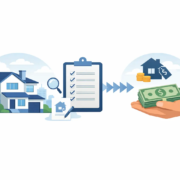

7 Steps to Get Cash Offer for Your House

7 Steps to Get Cash Offer for Your House

If you need to sell a house fast in New York, knowing the right steps to get cash offer can save you weeks of stress and a lot of wasted time. The process is usually much simpler than listing with an agent, but not every cash buyer works the same way. When speed matters because of foreclosure, probate, divorce, repairs, tenants, or inherited property, it helps to know what to expect before you start.

Why homeowners look for cash buyers

Most sellers who want a cash offer are not chasing a perfect sale. They want a dependable one. They want to stop the late payments, avoid pouring money into repairs, and move forward without open houses, buyer financing delays, or commission costs eating into the final number.

That matters even more in places like Long Island, Queens, Brooklyn, the Bronx, Jamaica, and Nassau County, where the traditional market can feel slow, unpredictable, and expensive. A financed buyer may love your house today and back out tomorrow after an inspection or mortgage issue. A real cash sale is different because it is built around speed and certainty.

The real steps to get cash offer on your house

A lot of companies advertise a quick process, but the basic path should still be clear and transparent. Here is how it usually works when you are dealing with a direct home buyer.

Step 1: Share the basic property information

The first step is simple. You reach out and provide the address, property type, and a quick overview of the condition. You may also be asked about the number of bedrooms and bathrooms, whether the house is vacant or occupied, and if there are any major problems like roof damage, water issues, code violations, or unpaid taxes.

This is not about making your property sound perfect. In fact, the more honest you are, the more accurate the offer can be. If the house needs work, say so. If there are tenants, say so. If you are behind on payments or dealing with an estate sale, bring that up early. A serious buyer wants the real picture, not a polished version.

Step 2: Explain your timeline and situation

This part is just as important as the property details. A house sale is not only about square footage and condition. Timing matters. If you need to close in seven days, that changes the conversation. If you need a few extra weeks to move out or sort through probate paperwork, that matters too.

Good cash buyers are not just pricing the house. They are figuring out whether they can solve the problem that brought you to them in the first place. Some sellers need speed. Others need flexibility. Others need both. The clearer you are about your situation, the easier it is to structure a deal that actually works.

Step 3: Schedule a quick property review

In many cases, the buyer will want to see the property before making a final cash offer. This is usually much easier than preparing for a traditional showing. You do not need to stage the house, repaint rooms, or make repairs just to impress someone.

The visit is typically focused on the home’s current condition, layout, and any major updates or problem areas. If the house has fire damage, mold, old plumbing, foundation cracks, or deferred maintenance, the buyer needs to account for that. If the property is in better shape than expected, that can help too.

A straightforward local buyer should keep this step quick and low pressure. The point is to confirm what the property needs, not to create another obstacle for you.

What affects your cash offer amount

Many homeowners ask the same question right away: how is the offer calculated? The answer depends on several factors, and it is better to hear a realistic answer than an inflated promise.

Condition is a big one. A house that needs major repairs will usually receive a lower offer than one that is move-in ready. Location also matters, especially across different parts of New York where values and demand can change block by block. The size of the home, recent comparable sales, title issues, liens, occupancy status, and how quickly you want to close can all play a role.

This is where trade-offs come in. A cash sale usually gives you speed, convenience, and fewer out-of-pocket costs. A traditional listing might bring a higher top-line price in some situations, but it can also involve repairs, agent commissions, closing costs, carrying costs, inspection requests, and weeks or months of uncertainty. For many sellers, the best deal is not the highest number on paper. It is the one that gets done without creating more problems.

Steps to get cash offer without delays

If your goal is to move quickly, a few simple choices can keep the process on track.

First, have your basic information ready. That includes the property address, your contact information, and any major details about the home’s condition. If you know there are open permits, tax issues, mortgage arrears, or probate concerns, mention them upfront.

Second, be clear about who is on title. If multiple family members need to sign, or if the property is part of an estate, that can affect timing. It does not always stop the sale, but it should be addressed early.

Third, avoid waiting to “fix a few things first” unless those repairs are truly minor and guaranteed to raise the value more than they cost. Most homeowners who seek cash buyers do so because they want to sell as-is. Spending time and money on partial repairs often delays the sale without changing the outcome much.

Step 4: Review the offer carefully

Once the buyer has enough information, you should receive a cash offer. This is the moment to slow down just enough to make sure the numbers and terms are clear.

Look at more than just the purchase price. Ask whether there are commissions, service fees, closing costs, or repair credits. Ask how quickly they can close and whether the timeline is flexible. If they say they buy as-is, confirm that they are not planning to renegotiate later over normal property issues.

A fair offer should be simple to understand. If the process feels vague or full of surprise charges, that is a warning sign.

Step 5: Sign the agreement and open the title process

If the offer works for you, the next step is signing the purchase agreement. After that, title work begins. This is where the closing process checks for ownership issues, liens, judgments, unpaid taxes, and other items that need to be resolved before the sale is completed.

This step sounds technical, but a professional buyer should guide you through it. In many direct sales, the company also covers standard closing costs, which helps reduce out-of-pocket expenses and keeps the process cleaner for the seller.

Step 6: Choose your closing date

One of the biggest advantages of a cash sale is flexibility. If you need to close fast, that may be possible in as little as a week. If you need more time to empty the house or coordinate a move, the closing can often be scheduled around your timeline.

That flexibility matters for real-life situations. Someone facing foreclosure may need the fastest possible date. Someone handling an inherited house may need extra time to sort belongings. Someone going through divorce may want a clean, predictable schedule. A good cash buyer understands that every sale has a story behind it.

Step 7: Close and get paid

At closing, you sign the final paperwork and receive your funds. Because there is no mortgage lender in the middle, there are usually fewer moving parts than a traditional sale. That is a big reason sellers choose this route when they need certainty.

For many homeowners, this is the point where the pressure finally lifts. The house is sold, the bills stop, and the next chapter can begin.

When a cash offer makes the most sense

A cash sale is not the right fit for every property or every seller. If your house is updated, you have time, and you want to test the retail market, listing may make sense. But if the property needs work, the timeline is tight, or the situation is stressful, a direct sale often becomes the more practical option.

This is especially true for inherited homes, properties with damage, vacant houses, rentals with problem tenants, and homes tied to financial hardship. In those cases, convenience is not a luxury. It is part of the solution.

Companies like Nationwide Homes 4 Sale are built around that kind of sale. The goal is not to make you wait, clean, repair, or hope a financed buyer sticks around. It is to give you a fair and honest cash offer, buy the property as-is, and close on a timeline that works for you.

If you are weighing your options, focus on clarity. The right buyer should make the process feel easier from the first conversation, not more complicated.

How to Stop Foreclosure With Cash Sale

How to Stop Foreclosure With Cash Sale

The foreclosure clock usually gets loud before it gets kind. Missed payments turn into notices, phone calls, legal letters, and a growing sense that time is running out. If you need to stop foreclosure with cash sale options, the good news is that selling quickly can be a real path forward, especially if listing with an agent would take too long.

For many New York homeowners, foreclosure is not just about a house. It is about keeping control before the bank takes it away. A fast cash sale can help you pay off the mortgage, avoid months of uncertainty, and move on without dealing with repairs, showings, or financing delays.

Can you stop foreclosure with cash sale?

Yes, in many cases you can stop foreclosure with a cash sale if there is still enough time to close before the lender completes the process. The key is speed. A traditional sale often moves too slowly because it depends on listing prep, buyer interest, inspections, appraisals, and mortgage approval. A direct cash sale removes many of those delays.

That matters when you are behind on payments and every week counts. If you can sell the property, satisfy the loan balance, and close before the foreclosure is finalized, you may avoid the full impact of losing the home through the bank.

The exact timeline depends on where you are in the process. If you just received default notices, you likely have more options. If there is already a scheduled auction or court action moving quickly, you need to act immediately. Foreclosure in New York can involve legal steps that take time, but waiting is still risky because fees, interest, and legal costs continue to grow.

Why a cash sale works when time is short

The biggest advantage of a cash buyer is certainty. In a normal sale, an offer can look good on paper and still fall apart because the buyer’s loan is denied, the appraisal comes in low, or repairs become a sticking point. That is exactly the kind of delay homeowners in foreclosure cannot afford.

A direct buyer is usually able to purchase the property as-is. That means no fixing roof damage, no updating the kitchen, no cleaning out every room for open houses, and no waiting for a bank to approve the buyer’s mortgage. If the title is clear enough to close and the numbers work, the sale can move fast.

For homeowners in Queens, Brooklyn, the Bronx, Long Island, Jamaica, and Nassau County, that speed can be the difference between resolving the debt and losing the property to foreclosure. A fast sale also gives you a clearer exit. You know the price, the timeline, and what you will walk away with, if any proceeds remain after the mortgage and related costs are paid.

What happens to your mortgage during the sale?

When the property sells, the mortgage is paid off from the closing proceeds. If the sale price is higher than what you owe, the remaining amount goes to you after any other liens, taxes, or fees are handled. If the home has enough equity, this is often the cleanest way to avoid foreclosure and protect what value you still have.

If you owe more than the property is worth, the situation gets more complicated. A regular cash sale may still be possible, but sometimes you may need lender approval for a short sale. That process can take longer and is not always the best fit when foreclosure is close. This is why getting a realistic property review early matters. You need to know whether a direct sale can fully solve the problem or whether another route needs to be explored.

Stop foreclosure with cash sale before fees pile up

One of the biggest mistakes homeowners make is waiting for the perfect answer. They hope they can catch up next month, refinance later, or list the home after making repairs. Meanwhile, late fees add up, attorney costs increase, and the lender gets closer to taking the property.

A cash sale is often less about getting top dollar and more about protecting your position. That trade-off is important. You may not get the same number you would hope for in a fully marketed retail sale, but that higher retail price is never guaranteed. It can also come with agent commissions, closing costs, repair demands, and weeks or months you simply do not have.

In a foreclosure situation, speed and certainty usually matter more than testing the market. A fair cash offer that closes quickly can save money in the long run by stopping additional penalties and preventing the deal from collapsing due to financing.

How the process usually works

A direct cash sale is simple by design. You reach out, share basic details about the property and your situation, receive an offer, and choose whether to move forward. If you accept, the closing process starts right away.

In many cases, the buyer handles title work and coordinates the paperwork needed to close. Because the property is sold as-is, there is no long repair list hanging over you. Because there is no agent involved, there are no commissions reducing your proceeds. And because the buyer is using cash, you are not waiting on a lender to make the final call.

That simple process is one reason many distressed sellers turn to experienced local buyers. Companies like Nationwide Homes 4 Sale work with homeowners who need a fast, practical solution, not a long sales cycle full of uncertainty.

When selling fast makes the most sense

Not every homeowner in pre-foreclosure needs the same solution. But a cash sale tends to make the most sense when the home needs work, payments are seriously behind, or personal circumstances make a normal listing unrealistic.

For example, if you inherited a property with back taxes and missed mortgage payments, time may not be on your side. If you are going through divorce and neither party can keep the home, a quick sale may reduce conflict and financial damage. If you are dealing with job loss, relocation, bankruptcy, or a tenant problem, the convenience of selling as-is can matter just as much as the price.

This is also common with homes that would struggle on the open market. Fire damage, code violations, outdated interiors, or major repairs can scare off financed buyers. A cash buyer sees those situations differently because the goal is not a perfect listing. The goal is to create a workable sale before the situation gets worse.

Questions to ask before accepting a cash offer

Speed matters, but so does trust. If you are trying to stop foreclosure with cash sale help, ask direct questions. How fast can they close? Do they buy as-is? Are there any commissions? Who pays closing costs? Will the offer change later? Have they bought homes in your area before?

A serious buyer should give you clear answers without pressure or vague promises. You should understand the numbers, the timeline, and whether the sale can happen before your lender’s deadline. If someone avoids those details, keep looking.

You also want to be realistic about your own timeline. If there is an auction date coming up or active legal action, mention that immediately. The sooner a buyer knows the urgency, the sooner they can tell you if the sale is still possible.

The cost of waiting too long

Foreclosure rarely improves with time. Even if New York’s process can feel drawn out, that does not mean you have room to delay. Each stage can bring more legal pressure, more stress, and fewer choices.

Once the lender takes the property, your control is largely gone. You lose the ability to choose your closing date, negotiate directly from ownership, or preserve remaining equity through a private sale. That is why many homeowners decide to act before the final stage. Selling fast is often the last clean exit still available.

If you are behind on payments and wondering whether it is too late, the best move is to find out now, not after another missed deadline. A quick conversation can tell you whether there is enough time to sell, what the home may be worth, and whether a cash closing can realistically stop the foreclosure.

If your goal is relief, clarity, and a way to move forward without more delays, a cash sale may be the most practical step you can take while the decision is still yours.

Cash Offer Versus Realtor Listing

Cash Offer Versus Realtor Listing

If you need to sell a house in New York fast, the cash offer versus realtor listing decision is not really about which option sounds better on paper. It is about which one fits your timeline, your property condition, and your stress level. A house in great shape with no urgency behind the sale may do well on the open market. A house tied to probate, foreclosure, repairs, tenants, or missed payments often needs a much simpler path.

That is where many sellers get stuck. They hear that listing with an agent might bring a higher price, but they also know that higher price is not guaranteed, and it usually comes with repairs, cleaning, showings, commissions, buyer demands, and waiting. A cash sale usually trades some top-end market upside for speed, certainty, and convenience. For many homeowners, that trade is worth it.

Cash offer versus realtor listing: what changes?

The biggest difference is how the sale happens. With a realtor listing, your home is marketed to buyers, most of whom need financing. You prepare the property, list it, host showings, negotiate offers, and then wait through inspections, appraisal, underwriting, and closing. Even after accepting an offer, the deal can still fall apart.

With a cash offer, you sell directly to a buyer without putting the home on the market. There are usually no open houses, no back-and-forth with multiple buyers, and no waiting on a lender to approve the deal. The process is much shorter and more predictable.

That does not mean one option is always better. It means each option solves a different problem.

When a realtor listing makes sense

If your home is in solid condition, you have time to wait, and you want to test the market for the highest possible sale price, listing may be the right move. This is often true when the property is updated, empty or easy to show, and located in an area where buyer demand is strong.

A listing can also make sense if you are not under financial pressure. If you can handle mortgage payments, taxes, utilities, and maintenance while the property sits, you may be comfortable waiting for the right buyer. Some sellers prefer this route because they want broad exposure and are willing to deal with the usual sales process.

But the open market comes with costs people sometimes underestimate. Before the house even goes live, you may need to paint, clean, repair, stage, or remove clutter. Once offers start coming in, buyers may ask for credits, inspection repairs, or price reductions. On top of that, commissions and seller closing costs reduce what you actually keep.

So while the list price may look appealing, net proceeds can tell a different story.

When a cash offer makes more sense

A cash offer is often the better fit when the house has problems or the seller needs speed. This includes inherited homes, fire damage, water damage, code issues, bad roofs, outdated interiors, problem tenants, title headaches, divorce situations, job relocation, tax debt, and foreclosure pressure.

In these situations, convenience is not a luxury. It is the main goal. If the property needs major work, listing can become expensive and time-consuming before you ever get to closing. If your finances are already tight, paying for repairs, cleaning crews, storage, holding costs, or agent fees may not be realistic.

Selling for cash removes many of those obstacles. You can often sell as-is, skip repairs, avoid showings, and move on faster. That speed matters when each extra month means another mortgage payment, another utility bill, another tax deadline, or another round of stress.

For sellers who need certainty more than maximum exposure, a direct sale can be the smarter financial decision even if the contract price is lower.

The real issue is net outcome, not just sale price

A lot of homeowners compare these two paths based only on the number on the offer. That is too narrow. What matters is what you walk away with and how much time, money, and effort it takes to get there.

A realtor listing may produce a higher gross price, but if you spend money on repairs, staging, carrying costs, concessions, and commissions, your bottom line shrinks. Then there is the risk factor. If the buyer backs out after inspection or financing fails, you go back on the market and lose more time.

A cash offer usually gives you a clearer number from the start. The sale may be lower than top market value, but it can also eliminate many of the costs and delays that chip away at your proceeds. For some sellers, that certainty is worth more than chasing a best-case outcome that may never happen.

Time matters more than many sellers expect

In New York, time can get expensive quickly. Mortgage payments, HOA fees, property taxes, insurance, utility bills, and maintenance do not stop just because the house is listed. If the property is vacant, distressed, or tied up in a legal or family situation, the pressure can build fast.

This is one of the clearest differences in the cash offer versus realtor listing decision. Listing can take weeks or months between preparation, marketing, negotiations, and lender-driven closing. A cash sale can often move in days, not months.

That speed is especially valuable if you are behind on payments, dealing with an inherited property you do not want to maintain, or trying to settle a divorce or estate. In those situations, getting the property sold fast may protect your finances and your peace of mind.

Condition of the home can decide the answer

Many homeowners already know which route makes sense once they look honestly at the condition of the property. If the house needs major repairs, old systems, foundation work, mold cleanup, or cosmetic updates throughout, listing can become a project. And not everyone has the cash, time, or energy to take that on.

A traditional buyer often wants a move-in-ready house. Even if they make an offer on a distressed property, their lender or inspector may create problems later. That is where deals fall apart.

A direct cash buyer is usually more flexible. They understand as-is properties and can often buy homes that would struggle on the retail market. For sellers with damaged or neglected houses, that can be the difference between waiting indefinitely and actually closing.

Stress level should count too

Selling a home is not just a financial event. For many people, it is tied to a hard life moment. A death in the family, a job loss, a divorce, a tenant problem, or growing debt can make even simple decisions feel heavy.

A realtor listing asks more from the seller. You may need to clean constantly, leave for showings, negotiate with strangers, and stay available for inspections and buyer requests. That is manageable for some people. For others, it is one more burden they do not need.

A cash sale is usually easier because the process is more direct. You get an offer, review the numbers, pick a closing date, and move forward if it works for you. That simplicity is a real benefit when life already feels complicated.

So which option is right for you?

If your home is in good shape, you are not in a rush, and you want to aim for full market exposure, a listing may be the right choice. If your property needs work, your timeline is tight, or you want to avoid commissions, repairs, inspections, and uncertainty, a cash offer may be the better answer.

The best choice depends on what you value most right now. Maximum price, speed, certainty, convenience, and effort level do not all come in one package. You usually have to choose what matters most.

For many homeowners in Queens, Brooklyn, the Bronx, Long Island, and nearby areas, the right move is the one that solves the problem with the least friction. Companies like Nationwide Homes 4 Sale are built for that kind of situation, where selling fast and as-is matters more than putting a house through the full traditional process.

If you are weighing your options, focus on your real timeline, your true costs, and how much uncertainty you can afford. The best sale is not always the one with the highest number first. It is the one that gets you to a clear outcome you can actually count on.

Do Cash Buyers Pay Closing Costs?

Do Cash Buyers Pay Closing Costs?

If you need to sell fast, one of the first questions you’ll probably ask is: do cash buyers pay closing costs? The short answer is often yes, but it depends on who the buyer is, how the offer is structured, and what kind of sale you’re agreeing to.

That matters a lot when you’re already dealing with pressure from mortgage payments, probate, divorce, code issues, tenants, or a house that needs more work than you want to put into it. A cash offer can sound simple, but you still want to know exactly what comes out of your pocket before you sign anything.

Do Cash Buyers Pay Closing Costs in New York?

In many direct cash sales, the buyer pays at least some closing costs, and in some cases they cover nearly all of them. That is especially common when a professional home-buying company is trying to make the process easier for the seller. In those situations, covering title fees, transfer-related expenses, and other standard closing charges is part of the offer.

But not every cash buyer works the same way. An individual investor might offer a higher price and then expect the seller to cover several fees at closing. Another buyer may say they “pay closing costs” while building those costs into a lower purchase price. So yes, cash buyers can pay closing costs, but you still need to look at the full net amount you’ll actually receive.

For homeowners in Queens, Brooklyn, the Bronx, Long Island, or Nassau County, this is where clarity matters more than marketing language. What sounds like a great offer upfront can look very different once the paperwork shows who is paying for title work, transfer taxes, recording fees, liens, or attorney-related charges.

What Closing Costs Are We Talking About?

Closing costs are the expenses tied to finalizing the sale. Even when there is no mortgage involved, a real estate transaction still has paperwork, title processing, and legal steps that have to be completed.

In a New York home sale, common closing costs can include title and settlement fees, transfer taxes, recording fees, attorney fees, payoff processing for existing liens, and sometimes adjustments for unpaid property taxes, water bills, or violations. If you’re selling through an agent, there may also be commission. If you’re selling directly to a cash buyer, commissions are often removed from the equation, which can make a major difference in what you walk away with.

This is why two offers with the same purchase price are not really equal. One buyer may cover the title company and closing charges. Another may leave those to you. One may buy as-is with no repair requests. Another may come back later and renegotiate after seeing the property.

Why Cash Buyers Often Cover More Costs

A serious cash buyer is usually selling speed, certainty, and convenience. Covering closing costs helps support that promise.

If a homeowner is facing foreclosure, inherited a property they do not want, or owns a house with damage, open permits, or bad tenants, the last thing they want is more out-of-pocket expense. A direct buyer who wants that deal to move forward smoothly will often remove as many barriers as possible. That can mean no agent commissions, no repair requests, no inspection contingency, and no seller-paid closing costs.

From the buyer’s side, paying those fees can be worth it because it keeps the deal simple and helps avoid delays. From the seller’s side, it means more predictability. Instead of wondering what surprises will show up before closing, you have a clearer picture of your net proceeds.

That’s one reason many homeowners choose a direct buyer instead of listing. The selling price is only one part of the decision. The real question is how much stress, time, and money the sale will actually cost you.

When the Seller May Still Pay Something

Even in a cash sale, sellers are not automatically free from every expense. There are situations where money still comes out of the seller’s proceeds.

If there is an existing mortgage, that loan has to be paid off. If there are tax arrears, utility balances, HOA charges, judgments, or liens, those usually must be cleared before or at closing. In some cases, transfer taxes or legal fees may still fall partly on the seller depending on the agreement and the location.

That does not mean the cash buyer is being unfair. It just means some property-related debts are attached to the home and need to be resolved to transfer clear title. A good buyer will explain this upfront rather than wait until the closing statement to reveal it.

This is also why “we pay closing costs” should never be the only question you ask. You also want to ask, “Are there any other deductions from my proceeds?” That one question can save a lot of frustration.

Do Cash Buyers Pay Closing Costs or Just Lower the Offer?

Sometimes, both.

A buyer can offer to pay closing costs and still factor those costs into the price they offer. That is not unusual. Every buyer, whether retail or investor, is looking at the total numbers. The difference is whether they present the deal clearly and whether the final result still works for you.

For example, a traditional buyer may offer a higher purchase price but ask for inspections, repairs, financing time, and seller concessions. A cash buyer may offer less on paper but remove commissions, cover closing costs, buy as-is, and close in days instead of months. Depending on your situation, the lower offer may still leave you with a better net result and a lot less risk.

If you need certainty more than top-dollar retail pricing, that trade-off can make sense. If your house is in great condition and time is not a factor, listing may bring more money. It depends on your goals.

How to Compare a Cash Offer the Right Way

The best way to evaluate a cash offer is to focus on net proceeds, not just sale price.

Ask for a clear breakdown of what the buyer is paying and what you are paying. Find out whether there are commissions, repair credits, inspection contingencies, appraisal risks, or extra fees buried in the process. Ask how soon they can close and whether they can work around your timeline if you need extra time to move.

A strong cash offer is usually straightforward. You should know the price, the estimated closing date, whether the property is being purchased as-is, and which closing costs the buyer is covering. If the answers feel vague, that is a warning sign.

For distressed property owners, this kind of transparency matters even more. When you are behind on payments or dealing with a property problem, delays and hidden deductions can create serious stress. The cleaner the deal, the better.

What Sellers in Tough Situations Should Watch For

Homeowners under pressure are often the most vulnerable to confusing offers. If you are dealing with foreclosure, probate, divorce, inherited property, storm damage, or problem tenants, you do not need extra complications.

Watch for buyers who use broad promises without specifics. If someone says they pay all closing costs, ask them to put that in writing. If they claim there are no fees, ask whether they charge administrative, processing, or transaction fees outside the normal closing statement. If they want access to the property for repeated inspections before committing, ask whether the price is final.

A reliable cash buyer should be able to explain the process in plain English. You should not have to chase answers or guess what your final number will be.

That is why many sellers prefer working with established local buyers who know the New York market and already understand the title, tax, and closing issues that can come up. Companies like Nationwide Homes 4 Sale often structure their offers around simplicity, which is exactly what many stressed homeowners need.

The Real Answer to Do Cash Buyers Pay Closing Costs

Yes, many cash buyers do pay closing costs, especially professional buyers who want to offer a fast, low-hassle sale. But not all cash buyers pay the same costs, and not every “no-fee” offer means the same thing.

The smartest move is to look past the headline and ask what you actually keep after everything is settled. If the buyer covers title and closing costs, skips repairs, buys as-is, and closes on your schedule, that can be a strong solution when speed and certainty matter most.

If you’re considering a cash sale, don’t just ask whether the buyer pays closing costs. Ask what your final proceeds will be, how quickly they can close, and whether the deal stays simple from start to finish. That is usually where the best decision becomes clear.

Selling Damaged House Options in New York

Selling Damaged House Options in New York

A house with fire damage, water issues, mold, structural cracks, or years of neglect can feel impossible to sell. The good news is that selling damaged house options are available in New York, and the right path depends on how fast you need to move, how much work you want to take on, and how much uncertainty you can tolerate.

For some owners, the property became a burden after a storm, a bad tenant, or a long period of deferred maintenance. For others, the damage shows up during probate, divorce, foreclosure pressure, or after inheriting a home they never planned to manage. When that happens, the usual advice to clean it up, fix everything, and list it on the market does not always make sense.

Selling damaged house options that actually make sense

If your home needs major repairs, you usually have three real options. You can repair the property before selling, list it as-is with an agent, or sell directly to a cash buyer. Each route can work. The better choice comes down to your timeline, budget, and how much risk you want to carry.

Repairing first can bring a higher sale price on paper, but that does not always mean more money in your pocket. In New York, repair costs can climb fast, especially when permits, contractors, labor delays, and hidden damage enter the picture. A roof issue may lead to framing work. A plumbing leak may reveal mold. An electrical problem may require updates far beyond the original estimate. If you have cash, time, and patience, this path may be worth considering. If not, it can add stress at the worst possible moment.

Listing as-is with a real estate agent is another option. This means you sell the property in its current condition without making major improvements first. That can work if the damage is manageable and the property still appeals to investors or buyers willing to take on repairs. But as-is does not mean problem-free. Buyers may still request inspections, negotiate hard after seeing the condition, or back out if financing falls through. The home may also sit on the market longer if the needed work is significant.

A direct cash sale is often the simplest option for damaged property. In this setup, a professional home buyer purchases the house as-is, often without repairs, showings, agent commissions, or lender delays. That is why this route is common when the seller needs speed, certainty, or relief from a property that keeps draining time and money.

When an as-is cash sale is the better fit

Not every seller needs the fastest route. But many damaged house situations come with a deadline attached.

If you are behind on mortgage payments, dealing with code violations, handling an inherited property from out of town, or trying to settle a divorce or estate matter, waiting months for the right retail buyer may not be realistic. A damaged property can also become more expensive the longer it sits. Utilities, taxes, insurance, maintenance, and city fines do not pause just because the house is hard to sell.

This is where a cash sale stands out. You can skip repair costs, avoid prepping the house for open houses, and move on a timeline that works for you. Some sellers want to close in a week. Others need a little more time to clear the property or coordinate family decisions. A direct buyer can often offer that flexibility.

That said, speed comes with a trade-off. A direct cash offer is usually lower than what a fully repaired home might sell for on the open market. The reason is simple. The buyer is taking on the repairs, the holding costs, and the resale risk. For many owners, that trade-off is worth it because it removes uncertainty and out-of-pocket expense. For others, especially if the damage is minor and time is not a concern, listing may still be the better financial move.

The real cost of fixing before you sell

Many homeowners assume repairs are the obvious first step. Sometimes they are. Sometimes they are not.

The problem with damaged houses is that repair budgets rarely stay neat. Water damage spreads behind walls. Fire damage can affect wiring, insulation, and structural components. Foundation issues often raise questions buyers and inspectors will not ignore. Even cosmetic neglect can become expensive once contractors begin work.

Then there is the issue of carrying costs. While repairs are being done, you are still paying taxes, insurance, utilities, and possibly the mortgage. If the property is vacant, there may be extra risk and expense. If you are already under financial pressure, putting more money into a damaged home may not be practical.

This is why sellers should look at net outcome, not just top sale price. A higher sale number does not help much if you spent heavily on repairs, paid agent commissions, covered closing costs, and waited months to close.

Selling damaged house options for different situations

The best solution often depends on what caused the damage and what is happening in your life.

If the house has minor damage, like outdated finishes, old flooring, or cosmetic wear, listing as-is may attract investors or bargain-minded buyers. If the home has major issues like mold, fire damage, foundation movement, or a leaking roof, the buyer pool gets smaller. Financing becomes harder. Appraisals become tougher. That is when direct buyers become more relevant.

If the property is tied to probate or inheritance, convenience may matter more than squeezing out every last dollar. Families often do not want months of cleanup, repairs, and negotiations while trying to settle an estate. If the house was a rental with tenant damage or years of deferred maintenance, selling directly may help you avoid another round of spending.

If foreclosure is approaching, time matters even more. In that situation, certainty can outweigh price. A deal that closes fast is usually more valuable than a higher offer that may never make it to the closing table.

What to expect from a direct home buyer

A reputable direct buyer should keep the process simple. Usually, it starts with a quick conversation about the property, followed by a walkthrough or review of the condition. After that, you receive a cash offer. If you accept, the closing can move quickly, often in days instead of months.

You should also expect clear terms. A trustworthy buyer will explain how they arrived at the offer, what costs they cover, and when you can close. There should be no pressure to clean, repair, or stage the home. For sellers in places like Queens, Brooklyn, the Bronx, Long Island, Jamaica, and Nassau County, this can be a practical way to avoid the delays that often come with traditional listings.

Companies like Nationwide Homes 4 Sale focus on exactly these situations – properties that need work, owners who want to skip repairs, and sellers who need a straightforward path to closing.

How to compare your options without getting stuck

If you are deciding between listing and selling directly, ask a few simple questions. How much repair work does the house really need? How quickly do you need the sale done? Can you afford to keep paying for the property while it sits? Are you willing to deal with inspections, showings, negotiations, and possible financing problems?

Those answers usually point you in the right direction.

If your property is damaged but still financeable and you have time to wait, an as-is listing may be worth exploring. If the damage is significant, the situation is urgent, or you want to avoid more expense and stress, a direct cash sale is often the cleaner option.

The key is not to assume there is one best answer for every seller. There is only the best answer for your situation. The smartest move is the one that gives you a fair result and lets you move forward without adding more problems.

A damaged house does not mean you are stuck. It just means you need a selling path that matches the reality of the property and your timeline. When speed, simplicity, and certainty matter most, the right option is the one that removes the burden and helps you close with confidence.

Selling Hoarder House Options in New York

Selling Hoarder House Options in New York

When a house is packed wall-to-wall with belongings, trash, or years of deferred maintenance, the usual advice to “clean it up and list it” can feel impossible. If you are weighing selling hoarder house options, the real question is not just how to sell – it is how to sell without taking on more cost, delay, and stress than you can handle.

For many New York homeowners, this situation is tied to something bigger. It may be an inherited property in Queens, a family home in Nassau County, a rental in the Bronx, or a house in Brooklyn that has become too overwhelming to manage. Sometimes the owner still lives there. Sometimes the home has been vacant for months. Either way, the selling path depends on the condition of the property, your timeline, and how much work you are realistically willing or able to do.

Selling hoarder house options: what actually works

There is no single best option for every seller. A hoarder house can sometimes be sold on the open market, but that usually requires cleanup, hauling, repairs, and patience. In other cases, an as-is cash sale is the simpler answer because it removes the hardest parts of the process.

The first option is cleaning out the home and listing it with an agent. This can work if the property is in a strong neighborhood, the structure is sound, and you have time, money, and help. The upside is that a cleaned and repaired home may attract more buyers. The downside is that the work can be expensive and emotionally draining, especially when the home contains years of personal belongings, biohazards, pests, or code issues.

The second option is selling the house as-is to a cash buyer. This is often the better fit when the property needs major cleanup, has damage, or you need to close quickly. You do not have to worry about repairs, inspections, lender-required fixes, or repeated showings. You can skip the months of prep and move straight to an offer and closing timeline that works for you.

A third option is a partial cleanup before selling as-is. Some sellers remove obvious trash, important paperwork, and personal items, but leave the rest behind. This can make the property easier to evaluate without turning the sale into a full renovation project. If your goal is to reduce stress, this middle-ground approach can make sense.

Why hoarder homes are hard to sell the traditional way

A hoarder house is not just cluttered. In many cases, it comes with hidden issues that affect value and marketability. Floors may be damaged from moisture or weight. Electrical systems can be hard to access. Bathrooms and kitchens may not be functional. Mold, pests, odors, and blocked exits can create safety concerns.

Traditional buyers usually need financing, and financed deals come with inspections and appraisals. That is where many hoarder house sales fall apart. If a lender sees major condition issues, the buyer may not get approved. Even if the buyer still wants the property, they may ask for large credits or repairs before closing.

There is also the practical problem of showings. Most homeowners do not want dozens of strangers walking through an overwhelmed property. If family dynamics are involved, the process can become even harder. One relative may want top dollar, another may want a fast sale, and no one wants to deal with the cleanup.

When an as-is cash sale makes the most sense

If you are behind on payments, dealing with probate, handling a divorce, relocating, or simply cannot afford cleanup, an as-is sale is usually the most direct path. The biggest benefit is certainty. Instead of spending weeks or months trying to make the property market-ready, you can sell based on its current condition.

That matters more than people realize. Cleanup companies, junk removal, exterminators, and contractors all cost money up front. If the home has been neglected for a long time, those costs add up fast. Then you still have agent commissions, holding costs, taxes, utilities, and the risk that the home sits on the market.

With a direct buyer, the process is simpler. You request an offer, the property is evaluated as-is, and if the numbers work for you, you choose a closing date. A company like Nationwide Homes 4 Sale buys houses in New York in their current condition, which means sellers can avoid repairs, avoid out-of-pocket closing costs, and move on faster.

What affects the value of a hoarder house

Many sellers worry that a hoarder house has no value. That is usually not true. The value just gets calculated differently.

Location still matters. A distressed house in a strong area of Long Island or New York City can still attract serious buyers. Lot size, layout, and structural condition also matter. If the property needs only cleanout and cosmetic work, the value picture looks different than a house with fire damage, mold, or foundation issues.

The amount of contents inside the home can affect the offer too. A property that requires several dumpsters, specialty cleaning, or hazard removal creates more cost for the buyer. The same goes for unpaid taxes, water bills, violations, or title problems. None of these issues automatically stop a sale, but they do affect the final number.

That is why comparing paths is important. A retail listing might produce a higher sale price on paper, but after cleanup, repairs, agent fees, and months of holding costs, the net amount may not be as different as you think. For many sellers, the better option is the one that puts more actual cash in hand with less risk.

How to choose between listing and selling direct

Start with your timeline. If you need to sell in days or weeks, the traditional market is usually not a good fit. If you have several months, access to funds, and family help, listing may be possible.

Next, look at the true condition of the property. If the house would struggle to pass inspection or appraise for a financed buyer, selling direct is often more realistic. If the issues are mostly clutter and the house is otherwise in decent shape, a cleanup and listing strategy may still work.

Then be honest about your capacity. This part matters. A lot of owners underestimate how hard it is to clean out a hoarder home. It is not just a hauling job. It can involve sorting legal documents, dealing with sentimental items, arranging labor, coordinating dumpsters, and managing repairs afterward. If the project already feels too heavy, it probably is.

Common situations where sellers need fast hoarder house options

Inherited homes are one of the most common. Adult children inherit a house full of belongings and quickly realize they do not have the time or budget to clear it out. Probate may already be stressful, and the property becomes one more burden.

Foreclosure risk is another big one. If payments are behind, waiting months to prepare the house can make the situation worse. A fast sale may help protect equity and stop the problem from growing.

Landlords also run into this issue after a tenant leaves behind severe damage or excessive contents. In those cases, the goal is usually not maximizing list price. It is ending the drain on time and money.

What the process should feel like

Selling a hoarder house should not feel like a punishment. A good process is clear, respectful, and straightforward. You should know what the offer is, what costs are covered, and how soon you can close. You should also know whether you need to empty the house completely or if unwanted items can stay.

That last point matters. Many sellers assume they must clean out everything before a sale. In an as-is transaction, that is often not necessary. You may only need to remove the items you want to keep and leave the rest behind. That can save weeks of work.

If you are comparing buyers, focus on transparency. Ask how they calculate the offer, whether there are commissions or fees, and whether they can close on your timeline. Speed matters, but honesty matters just as much.

Selling hoarder house options without making it harder

The best path is the one that matches your real situation, not the one that sounds ideal on paper. If you have the time, money, and energy to clean, repair, and list, that may be worth exploring. If you need relief now, selling as-is can be the practical choice that gets the problem solved.

A hoarder house can feel overwhelming, but it is still a property with options. The key is choosing the route that reduces stress, protects your time, and gives you a clear way forward. If the house has become too much to manage, the right next step is the one that helps you move on with less weight on your shoulders.

A Guide to As-Is Home Sales in New York

A Guide to As-Is Home Sales in New York

A leaking roof. A house full of old furniture. Tenants who stopped cooperating. A mortgage that is getting harder to keep up with. For many owners, this is exactly when a guide to as is home sales becomes useful – not as a theory, but as a way to solve a real problem fast.

Selling a house as-is means you are offering the property in its current condition. You are not agreeing to make repairs, renovate outdated rooms, or spend weeks getting the place ready for the market. In New York, that can be a major relief for homeowners dealing with probate, divorce, foreclosure pressure, inherited property, code issues, or a house that simply needs more work than they want to take on.

What as-is really means

An as-is sale does not mean anything goes. It means the seller is not promising to fix the property’s issues before closing. The buyer understands the home may need repairs, cleanup, updates, or more serious work.

That said, buyers still look at condition when deciding what they are willing to pay. If a house has foundation problems, water damage, mold, fire damage, title issues, or years of deferred maintenance, those factors affect the offer. As-is does not erase the property’s condition. It just changes who takes responsibility for dealing with it after the sale.

This matters because many homeowners hear “sell as-is” and assume they can skip every part of the process. You may be able to avoid repairs, inspections requested by a traditional financed buyer, and show-ready improvements, but you still need a clear path to transfer ownership. If there are liens, unpaid taxes, probate questions, or occupant issues, those items usually still need attention before or during closing.

A guide to as is home sales: when it makes sense

For some sellers, listing with an agent after making a few updates may bring the highest price. For others, the extra time, cost, and uncertainty are not worth it. That is where as-is selling becomes the practical option.

It often makes sense when the property needs major repairs, when the owner lives out of state, when there is an inherited home filled with belongings, or when a fast sale matters more than squeezing out every last dollar. It can also be the better route if the house has had trouble attracting traditional buyers because of condition, layout, violations, or financing issues.

In New York, timing is often the deciding factor. If you are facing foreclosure deadlines, carrying two homes, dealing with problem tenants, or trying to settle an estate, waiting months for the right retail buyer may not be realistic. Certainty starts to matter as much as price.

The trade-off: speed and convenience vs. top-market price

This is the part sellers deserve to hear clearly. An as-is sale, especially to a direct cash buyer, usually does not produce the same number you might see from a fully renovated home sold on the open market.

But the headline price is not the whole deal. A traditional sale can come with agent commissions, repair costs, cleaning, staging, holding costs, buyer concessions, inspection negotiations, and mortgage delays. It can also fall through after weeks of waiting.

An as-is cash sale is usually about the net result and the stress level. If you can skip repairs, avoid fees, close quickly, and stop paying taxes, utilities, insurance, or loan payments on a burdensome property, the lower offer may still be the stronger overall outcome.

That is why every seller should compare the real numbers, not just the offer amount.

How the as-is sale process usually works

A practical guide to as is home sales should keep the process simple. In most cases, it starts when you share basic information about the property, its condition, and your timeline. The buyer reviews the situation and may schedule a quick visit or request photos.

After that, you receive an offer. A serious cash buyer should explain how the number makes sense based on condition, location, repair needs, and local market reality. The process should feel direct, not confusing.

If you accept, the next step is opening title and moving toward closing. During this stage, any title issues, payoff amounts, tax balances, or legal items are reviewed. If the buyer is experienced, they usually help coordinate this process so you are not left trying to figure it out alone.

Then you close. In many cases, this can happen in a matter of days or a few weeks, depending on title clearance and your schedule. Some sellers want the fastest possible closing. Others need more time to move or clear out belongings. A flexible buyer can often work around that.

What to expect in New York

Selling as-is in New York comes with local realities. Older housing stock in Queens, Brooklyn, the Bronx, Nassau County, and Long Island often means outdated systems, open permits, aging roofs, or inherited maintenance problems. These are common issues, not unusual ones.

New York transactions can also involve extra layers such as estate matters, co-op questions, tenant occupancy, or municipal violations. That does not mean the home cannot be sold as-is. It means you want a buyer who understands how these problems affect closing and knows how to move through them without wasting time.

If you are selling a distressed house in New York, local experience matters. A buyer who understands neighborhood values, common title issues, and realistic repair costs is more likely to make a fair offer and close without surprises.

Common questions sellers ask

One of the biggest concerns is whether a house has to be cleaned out first. Often, no. Many as-is buyers purchase properties with unwanted furniture, old appliances, or years of accumulated contents. You should always ask, but in many situations, cleanup is not required.

Another concern is inspections. In a traditional sale, inspections often lead to renegotiations, repair requests, or buyer cancellations. In an as-is cash sale, the buyer may still assess the property, but the goal is usually to understand what they are buying, not to create a long repair list for you.

Sellers also worry about fees. This depends on who you sell to. With a direct buyer, the structure is often much simpler than listing on the market. Some companies cover typical closing costs and do not charge commissions. That clarity can make a big difference if you are already under financial pressure.

How to evaluate an as-is offer

The best offer is not always the highest one on paper. Look at whether the buyer is paying cash, whether they are asking for repairs, whether there are commissions, who covers closing costs, and how likely they are to actually close.

You should also ask how fast they can buy and whether they can work with your timeline. If you need seven days, that matters. If you need thirty days because of a move or probate coordination, that matters too.

A fair and honest offer should come with straightforward terms. If the process feels vague, if fees keep appearing, or if the buyer starts changing the deal late in the process, that is a warning sign.

When a direct cash buyer is the better fit

A direct buyer is often the right fit when the property is distressed, time is short, or the seller wants a low-effort solution. This is especially true for inherited houses, homes with damage, landlord situations, divorce sales, late payments, and properties that would struggle with financed buyers.

For homeowners in New York who do not want repairs, showings, open houses, or months of uncertainty, a direct sale can remove a lot of friction. Companies like Nationwide Homes 4 Sale are built around that kind of transaction – simple offer, no repairs, no extra fees, and a closing timeline that works for the seller.

That does not mean every seller should avoid the market. If your home is in great shape and you have time, listing may still be worth considering. But if your main goal is to solve the problem fast and move on with certainty, as-is selling is often the more practical path.

The right sale is the one that fits your situation now, not the one that looks best in a perfect-case scenario. If your house has become a burden, selling as-is can be the straightforward next step that gives you relief, clarity, and a real date to move forward.

Cash Home Buyers NY: What Sellers Should Know

Cash Home Buyers NY: What Sellers Should Know

Selling a house in New York can get complicated fast. If you are behind on payments, dealing with probate, managing a damaged property, or just need to move quickly, cash home buyers NY sellers turn to can offer a much simpler path than listing with an agent.

That does not mean every situation is the same. A cash sale can be a smart solution when speed and certainty matter most, but it helps to understand how the process works, what a fair offer looks like, and when this route makes the most sense.

Why homeowners look for cash home buyers in NY

For many sellers, the traditional process is not just inconvenient. It is a bad fit. Listing a property usually means cleaning, repairing, staging, scheduling showings, waiting for buyer financing, and paying commissions and closing costs. That may work fine if the home is in great condition and time is on your side.

But a lot of New York homeowners do not have that luxury. Some are facing foreclosure notices or late mortgage payments. Others inherited a house they do not want to fix up or maintain. Some are going through divorce, relocating for work, dealing with tenants, or trying to sell a house with water damage, fire damage, violations, or years of deferred maintenance.

In those cases, the goal is not to squeeze every last dollar out of the market over several months. The goal is to solve the problem, stop the carrying costs, and move on without more delays.

How cash home buyers NY companies usually work

A direct cash buyer is not acting like a traditional retail buyer. They are buying the property themselves, usually as-is, without asking the owner to make repairs or wait for mortgage approval.

The process is usually straightforward. First, you share basic details about the property and your timeline. Then the buyer reviews the home, asks a few questions, and prepares an offer based on condition, location, needed repairs, and current market value. If you accept, the closing process moves forward through a title company or attorney, and you choose a closing date that works for your situation.

A legitimate cash buyer should be clear about the numbers. You should know whether they are covering title and closing costs, whether there are any fees, and how quickly they can actually close. In a strong direct-buy model, the appeal is simple: no repairs, no inspections required by a lender, no agent commissions, and no waiting around for financing to fall apart.

When a cash sale makes the most sense

A cash offer is often most helpful when the house itself or the seller’s timeline makes a traditional sale harder.

If the property needs major repairs, listing can become expensive before the home ever reaches the market. Roof issues, plumbing problems, mold, outdated interiors, structural concerns, or code violations can all shrink the pool of buyers. Even when a buyer shows interest, inspections often reopen negotiations and create more delays.

If the issue is timing, speed matters even more. Homeowners facing foreclosure or financial pressure may not be able to wait 60 to 90 days for a financed buyer to close. The same goes for families handling probate, inherited properties, or a house that became a burden after a death in the family. In those moments, convenience is not a luxury. It is the main reason to sell.

There is also the landlord situation. Some owners are tired of dealing with problem tenants, unpaid rent, court issues, or a rental property that no longer makes sense to keep. Selling as-is to a direct buyer can be a clean way to exit without spending months getting the property ready for the open market.

What a fair cash offer really means

One common concern is whether a cash offer will be lower than a listed sale. Sometimes it is, and that is not something to hide. A direct buyer is taking on repairs, risk, holding costs, and the work of reselling or renovating the property.

The better question is what you walk away with after time, repairs, commissions, closing costs, taxes, and uncertainty are factored in. A higher offer on paper does not always mean more money in your pocket. If your home needs major work, if the buyer asks for credits after inspection, or if financing fails weeks into the deal, the traditional route can cost more than people expect.

A fair offer should reflect the real condition of the property and the value of a fast, predictable closing. It should also come with transparency. You should not be guessing about hidden fees or surprise deductions.

What to watch out for when comparing cash buyers

Not all buyers operate the same way. Some are local and experienced. Others are wholesalers who tie up a property under contract and then try to assign it to someone else. That does not automatically make the deal bad, but it can create uncertainty if the person making the offer is not actually prepared to close.

Ask direct questions. Are they buying the house themselves? Have they purchased homes in your area before? Can they close in the timeframe they promise? Do they cover closing costs? Will they buy the home as-is, even if it has damage or legal issues to work through?

A real buyer should not make the process harder. They should explain each step clearly, respect your timeline, and avoid pressure tactics. If someone is vague, changes numbers late in the process, or refuses to explain how they arrived at the offer, that is a reason to slow down.

Cash home buyers NY sellers can trust tend to be local

In New York, local experience matters. Selling a house in Nassau County is different from selling in Queens, Brooklyn, the Bronx, or Jamaica. Neighborhood values, property conditions, title issues, tenant situations, and closing timelines can vary a lot from one area to another.

That is why many sellers prefer working with buyers who understand the local market instead of a national operation reading from a script. A buyer with New York experience is more likely to understand inherited homes, distressed properties, difficult tenants, city-specific paperwork, and the practical issues that slow deals down.

This is where a company like Nationwide Homes 4 Sale fits naturally. The value is not just that they buy houses for cash. It is that the process is built for New York sellers who want a direct, honest offer and a closing timeline that works for real-life situations.

The trade-off between speed and market exposure

There is no one right way to sell every house. If your property is in excellent shape, you have time, and you want maximum exposure to retail buyers, listing with an agent may be worth considering. You may get a higher top-line number if the home shows well and the market is working in your favor.

But if the property needs work, if the situation is stressful, or if the holding costs are piling up, speed can be more valuable than exposure. Every extra month can mean more mortgage payments, taxes, utilities, insurance, and maintenance. In some cases, waiting for the perfect buyer becomes more expensive than taking a solid cash offer now.

That is the real trade-off. A cash sale is not about pretending there are no alternatives. It is about choosing certainty, convenience, and control when those benefits matter more than chasing the highest possible list price.

What the process should feel like

The best cash sale experiences feel calm. You are not cleaning the house for strangers, juggling open houses, or wondering whether a buyer’s lender will kill the deal at the last minute. You know the offer, you know the timeline, and you know what you will net.

That kind of clarity matters when life is already complicated. Whether you are dealing with foreclosure, probate, divorce, relocation, or a house that needs too much work, the right buyer should remove stress, not add to it.

If you are talking with cash home buyers NY homeowners rely on, focus on the basics. Is the offer fair? Are the terms clear? Can they close when you need them to? Do they handle the house as-is without extra demands? Those answers tell you a lot more than sales language ever will.

If selling fast would bring real relief, it is worth having the conversation. The right offer does more than buy your house – it gives you a clean way forward.

Cash Home Buyers in New York: What to Expect

Cash Home Buyers in New York: What to Expect

When people start looking for cash home buyers in New York, it usually is not because selling is convenient. It is because something changed. The mortgage is behind, the house needs repairs, a tenant stopped paying, a family member passed away, or a move cannot wait three more months for the open market to catch up.

That is where a cash sale can make sense. Not in every case, and not for every seller. But if speed, certainty, and simplicity matter more than stretching for the highest possible list price, working with a direct buyer can be the practical move.

How cash home buyers in New York work

A cash home buyer purchases the property directly, without relying on a mortgage lender to approve the deal. That changes the whole timeline. Instead of listing the home, cleaning it up for showings, waiting on offers, and hoping a financed buyer makes it to closing, the seller deals with a buyer who can evaluate the house and make an offer quickly.

In most cases, the process is simple. You share basic details about the property. The buyer reviews the condition, location, title situation, and any major issues. Then you receive a cash offer. If you accept, the closing moves on your timeline, sometimes in as little as a week.

For many New York homeowners, the biggest benefit is not just speed. It is avoiding the usual friction. No repairs. No staging. No repeated showings. No waiting for a buyer’s loan, appraisal, or inspection demands to disrupt the deal.

Why homeowners choose a cash sale

A traditional listing can work well when the house is in strong condition, the seller has time, and the goal is to test the market for the highest possible price. But a lot of sellers are not in that position.

Some are dealing with foreclosure notices or late mortgage payments. Others inherited a property they do not want to fix, maintain, or clear out. In divorce situations, both parties may want a clean exit instead of months of back-and-forth. Landlords may be done with problem tenants, property damage, or vacancy costs. And many owners in Queens, Brooklyn, the Bronx, Long Island, and Nassau County simply do not want to put more money into a house they already need to leave.

That is where the value of a cash buyer becomes clearer. You are trading some market upside for convenience and control. For the right seller, that trade is worth it.

What “as-is” really means

One phrase sellers hear all the time is “we buy houses as-is.” That sounds simple, but it matters to understand what it means in real life.

Selling as-is means you do not need to repair the roof, update the kitchen, replace old flooring, repaint every room, or deal with years of deferred maintenance before selling. It can also mean leaving behind unwanted items that would otherwise take time and money to remove.

That said, as-is does not mean the buyer ignores the condition of the property. The house still has a value based on its location, size, repair needs, and local demand. A cash offer reflects those facts. So while an as-is buyer saves you from spending money upfront, the offer will account for the work the buyer is taking on.

That is why fair expectations matter. If your home needs major repairs, has title issues, or includes legal or occupancy complications, the convenience of a direct sale may outweigh the difference between a cash offer and a fully marketed listing.

When cash home buyers in New York make the most sense

There are certain situations where a cash sale stands out as the better fit.

If the property has serious damage, a traditional buyer may not be able to get financing. If you need to sell quickly because of relocation, job loss, probate, tax pressure, or bankruptcy, waiting on the open market can create more stress. If the home is inherited and family members want a straightforward sale, a direct buyer can reduce the delays that often come with preparing a house for listing.

It also makes sense when the house is simply a burden. Maybe it is vacant and draining money. Maybe it has code issues. Maybe the tenants are making a retail sale difficult. In those cases, the best option is not always the one that looks best on paper. It is often the one that solves the problem fastest.

What sellers should ask before accepting an offer

Not all cash buyers operate the same way. Some are transparent and experienced. Others tie up properties under contract and try to assign the deal instead of closing themselves. That is why a few basic questions can save you trouble.

Ask whether they are the actual buyer. Ask who pays title and closing costs. Ask how quickly they can close and whether you can choose the date. Ask whether there are commissions, service fees, or hidden deductions. And ask what happens if title issues come up.

A serious local buyer should answer those questions clearly. The process should feel direct, not confusing. If a company avoids specifics, changes numbers late, or pressures you before you have basic terms in writing, that is a sign to slow down.

Speed matters, but certainty matters more

A lot of companies talk about fast closings. Speed is valuable, but certainty is what most distressed sellers really need.

A deal is not helpful if it falls apart a few days before closing. That is one reason many owners prefer a real cash buyer over a financed offer that can be delayed by underwriting, appraisal gaps, or lender conditions. In difficult situations, a dependable closing date can matter more than squeezing out extra dollars that may never materialize.

This is especially true in New York, where transactions can become complicated quickly. Estates, liens, violations, tenant issues, and inherited ownership questions can all slow down a normal sale. An experienced buyer who understands local market conditions and problem property situations can often move through those issues with less friction.

How pricing usually works

A fair cash offer is not the same as full retail value, and honest buyers should say that upfront. The reason is simple. A direct buyer is taking on the repairs, carrying costs, closing risk, and resale effort after purchase.

Still, sellers should look at the full picture, not just the top-line number. With a traditional listing, you may pay agent commissions, closing costs, repair credits, holding expenses, and months of mortgage, tax, insurance, and utility payments while the property sits. When you factor those costs in, the gap between a cash offer and a listed sale may be smaller than it first appears.

That does not mean a cash sale is always the better financial choice. If your house is updated, market-ready, and you have time to wait, listing may produce more. But if the property needs work or time is working against you, the cleaner path can be the stronger one.

A practical option for stressed sellers

For many homeowners, the biggest relief is not the sale price alone. It is being able to move forward without more uncertainty. No contractor estimates. No open houses. No buyer asking for repairs after inspection. No wondering if financing will fail at the last minute.

That is why direct buyers continue to serve a real need in this market. In places like Long Island, Queens, Brooklyn, the Bronx, Jamaica, and Nassau County, sellers often need a solution more than a sales strategy. They want a fair and honest offer, a clear timeline, and a buyer who will handle the process without creating more problems.

Companies like Nationwide Homes 4 Sale are built around that need. The appeal is straightforward – sell as-is, avoid extra costs, and close when it works for you.

If you are weighing your options, the right question is not just “How much could I get?” It is also “How fast do I need to solve this, and how much hassle am I willing to take on to do it?” For a lot of New York sellers, that answer points to a simpler sale and a cleaner next step.